Beyond S-400: Turkey's Evolving Indigenous Missile Defense Strategy
Turkey, strategically positioned at the crossroads of continents and often at the epicentre of regional dynamics, has long recognized the critical importance of a robust airspace defense. For decades, the nation has grappled with the complexities of protecting its skies, or "Gokvatan" as it is often referred to – a symbolic term for the nation's celestial homeland. This imperative has been underscored by ongoing conflicts in neighbouring regions, particularly Syria, which have seen Turkey's airspace face various threats, including multiple rocket attacks. While past efforts involved seeking foreign systems, a significant pivot has occurred: Turkey is now aggressively pursuing a comprehensive, multi-layered indigenous missile defense capability, signaling a profound commitment to national self-reliance and technological sovereignty. This strategic shift represents not just an upgrade in military hardware, but a fundamental rethinking of
Turkey's Siper Missile Defense: A Leap Towards Airspace Self-Reliance and its broader approach to air security.
The Strategic Imperative: Why Turkey Needs Robust Missile Defense
Turkey's geographical location places it in a volatile neighbourhood, making a potent
Turkey missile defense system an undeniable necessity. The nation shares extensive borders with countries experiencing ongoing conflicts and instability, creating a constant need for vigilance against a spectrum of airborne threats, from rockets and drones to sophisticated ballistic missiles. The incidents highlighted in recent news, such as NATO air defenses reportedly intercepting Iranian ballistic missiles in Turkish airspace, further underline the immediate and tangible threats the country faces. These events serve as stark reminders of the ever-present dangers and the critical role that advanced defense systems play in safeguarding national security and preventing wider regional escalation. For more insights into this critical aspect, consider reading
NATO Intercepts Over Turkey: Unpacking Regional Missile Defense Stakes.
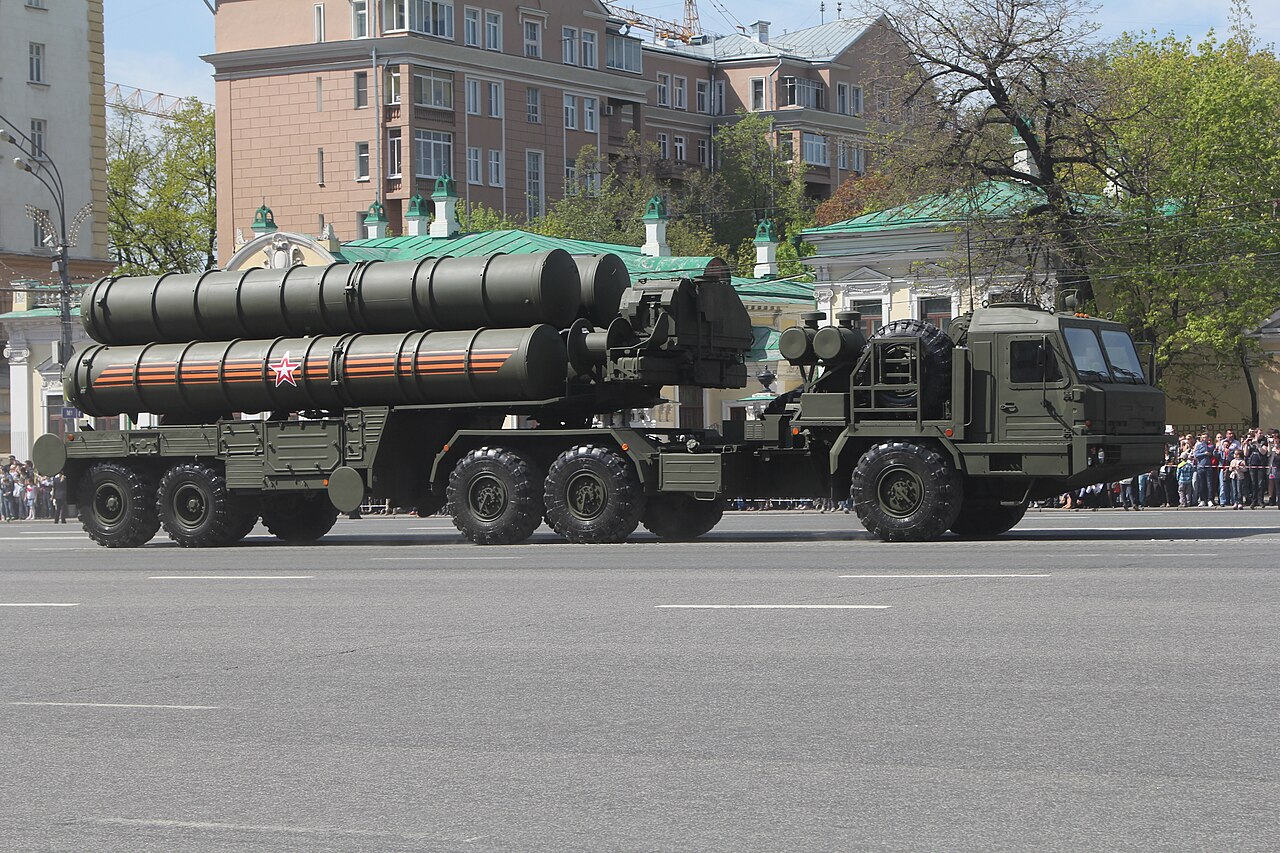
Historically, Turkey's journey to fortify its airspace defense capability, which began in earnest in the mid-2000s, has been marked by both ambition and frustration. Repeated attempts to procure advanced missile defense systems from Western allies, most notably the Patriot missile defense systems from the United States, were unsuccessful. This inability to secure desired foreign assets ultimately pushed Ankara towards the controversial acquisition of Russia's S-400 systems, a move that significantly strained ties with Washington and raised questions about NATO interoperability. This experience served as a powerful catalyst, strengthening Turkey's resolve to develop its own solutions, free from external political or technological dependencies. The goal is clear: to ensure the nation can independently protect its skies without compromising its strategic autonomy.
Siper and the Pillars of Indigenous Turkey Missile Defense
At the forefront of Turkey's ambitious indigenous defense strategy is the 'Siper' long-range missile defense system. Heralded as a game-changer, Siper represents the pinnacle of Turkey's national engineering prowess, designed to offer a robust, multi-layered shield against a wide array of aerial threats. This domestically engineered system, slated for inventory in 2023, is not merely an addition but a significant cornerstone of the country's defense architecture, intended to rival the capabilities of advanced foreign systems like Russia's S-400.
The development of Siper is a collaborative triumph, spearheaded by Turkey's leading defense companies Aselsan and Roketsan, alongside the Scientific and Technological Research Council of Turkey (TUBITAK). This collaboration leverages national expertise across various domains, from radar technology and command-and-control systems to advanced missile propulsion and guidance. Ismail Demir, President of Defence Industries, has emphasized that with Siper, Turkey aims to "eliminate all threats against our Gokvatan in the most powerful way," affirming the system's strategic importance.
Beyond Siper, Turkey's indigenous missile defense strategy is characterized by a comprehensive, multi-layered approach, involving a suite of systems designed to operate synergistically across different ranges and altitudes. This ecosystem of defense includes:
- Hisar Air Defense Systems: This family of systems forms the backbone of Turkey's short to medium-range air defense.
- Hisar A and Hisar O: These initial variants were developed to address short and medium-range threats, providing critical protection for mobile units and static assets.
- Hisar A+ and Hisar O+: These advanced versions offer extended range and improved capabilities, designed to work together to destroy targets across overlapping fields of fire, altitude, and range, enhancing the overall defensive umbrella.
- Korkut: A self-propelled, low-altitude, short-range air defense system designed to provide close-in protection against various aerial threats, including cruise missiles and air-to-ground missiles. It's particularly effective in defending critical infrastructure and mobile convoys.
- Sungur: A portable air defense system, offering flexibility and agility in protecting forces on the move or in areas where larger systems might not be feasible. Sungur complements the longer-range systems by providing an additional layer of defense against low-flying threats.
This layered defense strategy, with systems like Hisar, Korkut, Sungur, and the flagship Siper, ensures that Turkey can engage threats at varying distances and altitudes, creating a formidable defensive network. The intention is to eventually have up to six different multi-layered air defense systems in place, demonstrating a clear commitment to comprehensive coverage.
The Path to Self-Reliance: Overcoming Challenges and Fostering Innovation
Turkey's journey towards indigenous missile defense capability is a testament to its long-term vision for self-reliance and technological independence. This path, initiated in the mid-2000s, has been fraught with challenges, primarily stemming from the difficulties in acquiring foreign systems and the subsequent geopolitical ramifications of alternative procurements. However, these obstacles have paradoxically served as powerful motivators, galvanizing the nation's defense industry to accelerate domestic research and development.
The benefits of this indigenous approach extend far beyond mere military procurement. By developing its own `turkey missile defense` systems, Ankara significantly reduces its reliance on foreign suppliers, mitigating the risks of sanctions, technology transfer restrictions, or political leverage. Furthermore, domestic production stimulates the national economy, creates high-tech jobs, and fosters a robust ecosystem of innovation. The deep involvement of entities like Aselsan, Roketsan, and TUBITAK ensures that Turkey is not just acquiring technology but *mastering* it, cultivating a skilled workforce and advanced research capabilities that can adapt to evolving threats.
Practical Insight: The Importance of Continuous R&D
In the rapidly changing landscape of modern warfare, where threats like hypersonic missiles and swarms of drones are emerging, continuous research and development are paramount. Turkey's commitment to producing "new weapons" and having a diverse array of systems underscores an understanding that static defense is a vulnerability. Investing in agile R&D cycles allows for rapid adaptation, system upgrades, and the development of countermeasures against unforeseen threats, ensuring that Turkey's "Gokvatan" remains protected against the challenges of tomorrow. This forward-thinking approach is critical for maintaining a strategic edge in air defense.
Implications for Regional Security and Global Alliances
The strengthening of
Turkey missile defense capabilities, particularly through indigenous development, carries significant implications for regional security and Turkey's standing within global alliances. A more self-sufficient Turkey, capable of defending its own airspace, alters regional power dynamics. It projects an image of enhanced deterrence, potentially discouraging aggressive actions from hostile actors and contributing to a more stable, albeit complex, security environment.
Within the context of NATO, while the S-400 acquisition caused friction, the development of indigenous systems like Siper presents a nuanced future. If these new systems are designed with NATO interoperability in mind, or if their deployment frees up NATO-compatible assets for other roles, it could, in the long run, contribute to the alliance's collective defense capabilities. Turkey's ability to produce its own advanced defense technology also positions it as a potential exporter of these systems, opening new avenues for strategic partnerships and further enhancing its geopolitical influence.
A strong indigenous defense industry empowers Turkey to pursue an independent foreign policy, knowing that its national security is not solely dependent on the goodwill or strategic priorities of other nations. This strategic autonomy is a defining feature of its evolving defense posture, moving "Beyond S-400" to a future where Turkey is a key architect of its own security.
Conclusion
Turkey's journey to develop a comprehensive, multi-layered indigenous missile defense strategy marks a pivotal chapter in its national security narrative. Moving decisively beyond past reliance on external procurements and the controversies surrounding systems like the S-400, Ankara is now firmly committed to building a sovereign capability to protect its "Gokvatan." With the flagship Siper system leading the charge, supported by the Hisar family, Korkut, and Sungur, Turkey is constructing a formidable defensive shield. This strategic evolution is not merely about acquiring advanced weaponry; it represents a deep-seated commitment to technological independence, economic resilience, and the unyielding protection of national interests in a volatile world. As these systems move from testing to inventory, Turkey's airspace defense is poised to become one of the most robust and self-reliant in the region, ensuring its strategic autonomy for decades to come.