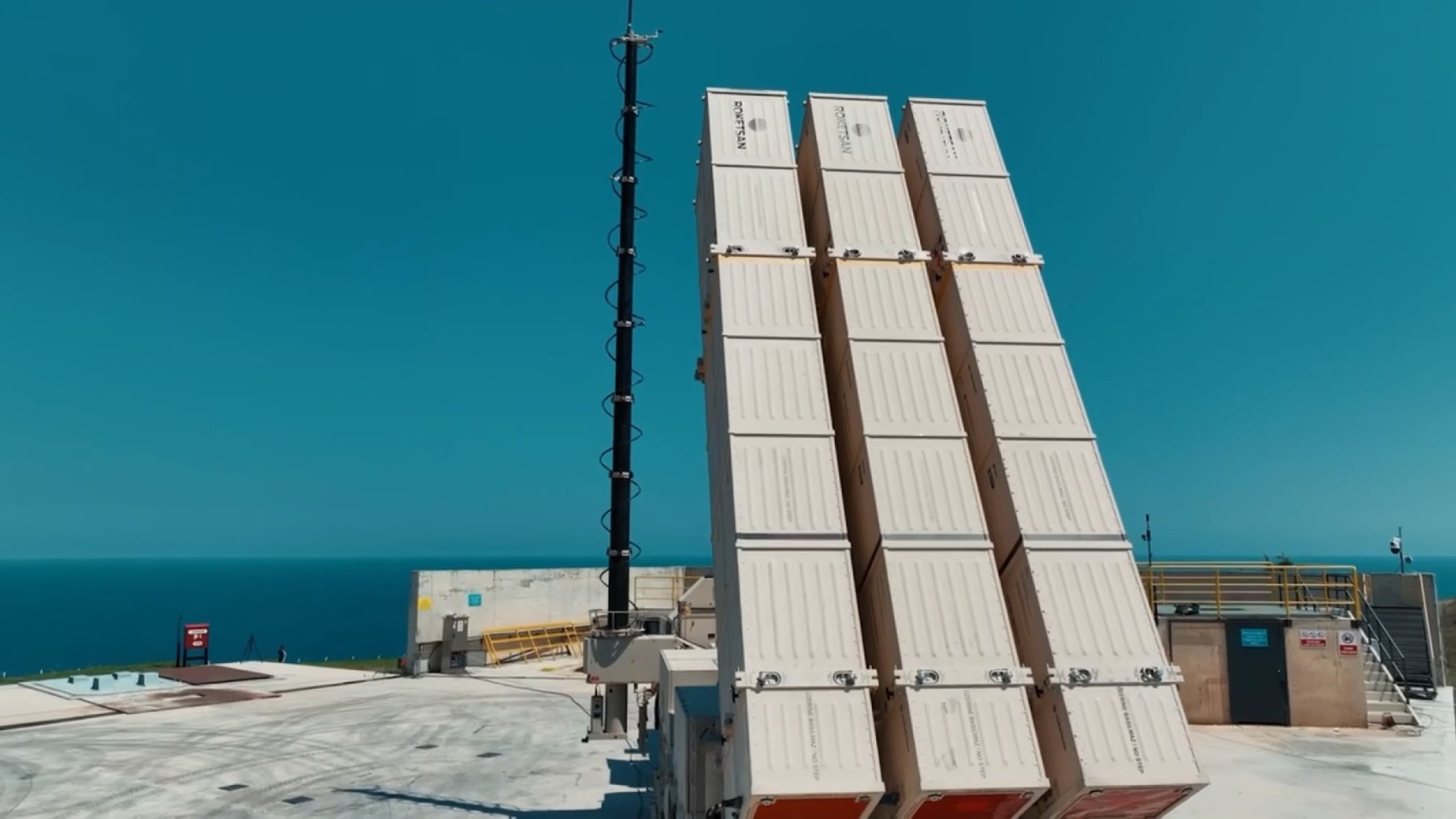
Turkey's Siper Missile Defense: A Leap Towards Airspace Self-Reliance
In an increasingly complex and volatile geopolitical landscape, safeguarding national airspace has become a paramount concern for sovereign nations. For Turkey, a country situated at a critical crossroads between Europe and Asia, and bordering regions fraught with instability, the need for robust and autonomous air defense capabilities is not merely strategic, but existential. The recent successful tests of the 'Siper' long-range indigenous missile defense system mark a monumental step in Turkey’s journey towards achieving complete airspace self-reliance, fundamentally reshaping its defense posture and regional influence. This ambition, rooted in decades of strategic planning and propelled by recent geopolitical challenges, highlights Turkey's unwavering commitment to securing its "Gokvatan" – its celestial homeland.
The Imperative for Indigenous Airspace Security: Why Turkey Needs Siper
Turkey's drive to fortify its air defense capabilities dates back to the mid-2000s, a period that saw the escalation of conflicts in neighboring regions, particularly war-torn Syria. The threat landscape has been diverse, ranging from rocket attacks originating across its southern borders to the more sophisticated challenges posed by ballistic missiles. These real and imminent threats underscored a critical vulnerability in Turkey's defense architecture, accelerating the quest for robust solutions.
Historically, Turkey faced significant challenges in procuring advanced missile defense systems from its traditional allies. Multiple bids to acquire the U.S. Patriot missile defense systems were unsuccessful, compelling Ankara to seek alternatives. This eventually led to the controversial purchase of Russia's sophisticated S-400 systems, a decision that strained ties with Washington and raised concerns within NATO regarding interoperability and data security. This experience served as a powerful catalyst, solidifying Turkey's resolve to develop its *own* indigenous capabilities, reducing dependence on foreign suppliers and ensuring uninterrupted access to critical defense technologies. The vision was clear: to build a comprehensive *turkey missile defense* system tailored specifically to its unique threat environment and strategic needs.
Siper: A Deep Dive into Turkey's Long-Range Defense Innovation
The 'Siper' project stands as a testament to Turkey's engineering prowess and strategic vision in defense. It represents the country's first domestically-engineered long-range missile defense system, a crucial component in its multi-layered air defense strategy. The successful testing of Siper, announced by top defense industry officials, signifies a major milestone in Turkey's journey towards achieving full domestic capability in airspace defense.
Developed through a collaborative effort led by prominent Turkish defense companies Aselsan and Roketsan, alongside the Scientific and Technological Research Council of Turkey (TUBITAK), Siper is designed to intercept and neutralize long-range threats, protecting vast areas of Turkish territory. Its integration into the army's inventory, planned for 2023, is poised to dramatically enhance Turkey's defensive umbrella. Experts suggest that Siper is envisioned to rival advanced systems like Russia's S-400, providing an independent and sovereign solution for long-range air defense. This capability is vital, as long-range systems offer the advantage of intercepting threats further away from protected assets, buying crucial time for decision-making and minimizing the impact of potential hits. The development of Siper not only strengthens *turkey missile defense* but also signals its growing confidence and capability on the global defense stage.
Building a Multi-Layered Shield: Beyond Siper with Hisar, Korkut, and Sungur
While Siper addresses the long-range segment, Turkey's overarching strategy involves creating a comprehensive, multi-layered air defense network capable of addressing threats across all altitudes and ranges. This approach is exemplified by a suite of other indigenous systems already in place or under development, working in concert to provide an impenetrable shield.
The Hisar family of air defense systems forms the backbone of Turkey's medium and short-range capabilities. This includes the Hisar-A (short-range) and Hisar-O (medium-range) systems, along with their upgraded variants, Hisar-A+ and Hisar-O+. These systems are designed to work together, creating overlapping fields of fire, altitude, and range to ensure no threat goes unchallenged. The synergy between these various Hisar systems is a key strategic advantage, providing redundancy and adaptability against diverse aerial threats, from aircraft and helicopters to cruise missiles and drones.
Complementing these are systems like Korkut, a self-propelled air defense gun system designed for point defense against cruise missiles and air-to-ground threats, and Sungur, a portable air defense missile system offering close-range protection. The planned expansion to six different multi-layered air defense systems underscores Turkey's commitment to developing a robust, integrated national *turkey missile defense* architecture.
Understanding the Multi-Layered Advantage: A multi-layered defense system is crucial because different threats operate at different altitudes and speeds. Short-range systems protect specific points, medium-range systems cover broader tactical areas, and long-range systems defend strategic assets and intercept threats far from critical infrastructure. This layered approach ensures that if one system fails or is overwhelmed, another layer can engage the threat, significantly enhancing overall security. For more insights into how Turkey is diversifying its defense solutions, consider reading
Beyond S-400: Turkey's Evolving Indigenous Missile Defense Strategy.
Navigating Geopolitical Crosscurrents: The Path to Self-Reliance
Turkey's pursuit of indigenous missile defense capabilities is deeply intertwined with its complex geopolitical position. The S-400 acquisition, while meeting an immediate defense need, highlighted the diplomatic and strategic costs of relying on external military hardware. The subsequent U.S. sanctions and Turkey's exclusion from the F-35 fighter jet program served as stark reminders of the vulnerabilities inherent in defense dependencies.
The development of Siper and other domestic systems is, therefore, a strategic imperative that goes beyond mere technological advancement. It represents a pivot towards greater autonomy in defense policy, allowing Turkey to make sovereign decisions about its security without undue external pressure. This shift also impacts Turkey's standing within NATO. While striving for self-reliance, Ankara also maintains its commitment to alliance solidarity, a delicate balancing act that involves ensuring its new systems can, where possible, operate effectively alongside NATO assets, even if not fully integrated in all instances. The ability to independently deter and defend itself enhances Turkey's bargaining power and its role as a key regional player. This journey towards self-reliance is not without its challenges, but it positions Turkey to assert more control over its national security narrative.
The Future of Turkey Missile Defense: Strategic Implications and Regional Stability
The complete integration of Siper and its complementary systems into Turkey’s defense inventory promises to have profound strategic implications, both domestically and regionally. Internally, it reinforces national security by providing an advanced, indigenous shield against an evolving spectrum of aerial threats. The prospect of eliminating "all threats against [Turkey's] Gokvatan in the most powerful way" with Siper underscores a renewed sense of confidence and capability within the Turkish defense establishment.
Regionally, a strengthened *turkey missile defense* posture contributes to a new dynamic of deterrence and stability. In a part of the world frequently on edge – evidenced by incidents such as NATO air defenses reportedly intercepting Iranian ballistic missiles over Turkish airspace, as Turkish authorities have confirmed – robust defense systems are not just defensive tools but also instruments of deterrence. They signal a nation’s resolve and capacity to protect its sovereignty, potentially discouraging hostile actions and contributing to regional equilibrium. The deployment of advanced Turkish-made systems could also open avenues for defense cooperation and exports, further enhancing Turkey's geopolitical influence. The future vision of up to six different multi-layered air defense systems positions Turkey as a significant player in missile defense technology, capable of addressing both current and emerging threats. For a deeper understanding of the regional implications of such incidents, refer to
NATO Intercepts Over Turkey: Unpacking Regional Missile Defense Stakes.
In conclusion, Turkey's development of the Siper missile defense system is more than a technological achievement; it is a declaration of strategic independence and a critical step towards securing its future. By investing in indigenous capabilities, Turkey is not only fortifying its skies but also cementing its role as a self-reliant power capable of navigating the complex security challenges of the 21st century. The 'Siper' system, alongside its Hisar counterparts and other defense innovations, symbolizes a comprehensive and forward-looking approach to national security, ensuring that Turkey can protect its "Gokvatan" with systems born of its own ingenuity and strategic determination.